REVIEW · KATHMANDU
Annapurna Base Camp Trek
Book on Viator →Operated by Everest Trekking Routes Pvt. Ltd. · Bookable on Viator
One trek. Big payoff at altitude.
The Annapurna Base Camp Trek is the kind of journey that mixes cultural stops with real hiking, then ends at the foot of towering peaks around 4,130 meters. I like the licensed guide + porter support and the fact that key logistics (like Kathmandu–Pokhara transfers and trekking permits) are handled for you. One thing to consider: you’ll be doing daily walking at a steady pace, and the early start time (1:15 am from the meeting point) can feel rough if you’re not a morning person.
What makes this plan feel practical is how it builds your day-to-day rhythm. You begin with Kathmandu’s major sights like Pashupatinath Temple, get your bearings with a Pokhara lake break, then step into the Annapurna region through Birethanti and classic viewpoints like Poon Hill. In the reviews, the professionalism of guides such as Cecil and Sushil Gurung comes up often, and that matters when you’re counting on good pacing, clear trail guidance, and steady support from porters like Samu Gurung and Sujan Gurung.
In This Review
- Key things that make this Annapurna Base Camp trek worth a close look
- Annapurna Base Camp: the trek goal (and the reality of altitude)
- Kathmandu and Pokhara transfers: you start moving early, then keep it simple
- Kathmandu day: Pasupatinath Temple as your cultural kickoff
- Pokhara lake time: a calmer pause before the trails
- Birethanti: entering the Annapurna Conservation Area
- Poon Hill and Ghorepani: the classic viewpoint route
- Tadapani to Chhomrong and on to Bambook
- The ABC days: reaching base camp and taking it in
- Tea-house lodging, included meals, and what that means for your day
- Guides and porters: why the names matter
- Price and logistics: is $935 good value for ABC?
- Who should book this ABC trek, and who might hesitate
- Should you book Everest Trekking Routes for Annapurna Base Camp?
- FAQ
- What is the duration of the Annapurna Base Camp Trek?
- Where does the trek start and where does it end?
- What is the price per person?
- What permits are included for the trek?
- Are meals included during the trek?
- What kind of accommodation is included?
- How do you travel between Kathmandu and Pokhara?
- Is Wi‑Fi included on the trekking days?
- Is travel insurance or evacuation insurance included?
- Is tipping included?
- Is cancellation free?
Key things that make this Annapurna Base Camp trek worth a close look
- Permits handled for you: TIMS and ACAP are included, so you’re not scrambling for paperwork on the ground.
- Comfort basics are built in: hotel stays (Pokhara and Kathmandu) include breakfast, plus tea-house accommodation during the trek.
- Good rhythm before the summit day: Poon Hill and stops like Tadapani and Chhomrong help you ease into the hiking effort.
- Expert local team: reviews specifically highlight guides Cecil and Sushil Gurung, with porters such as Samu Gurung, Sujan Gurung, and Bishal.
- Private group setup: it’s listed as private, so your group is the only group participating.
Annapurna Base Camp: the trek goal (and the reality of altitude)
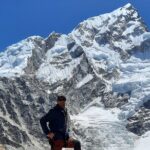
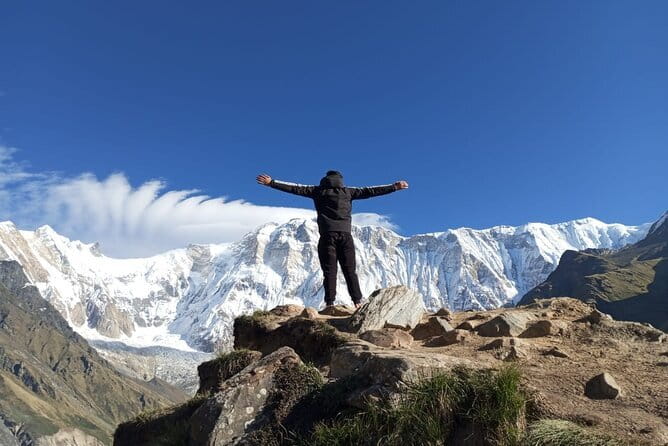
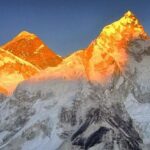
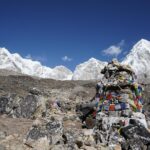
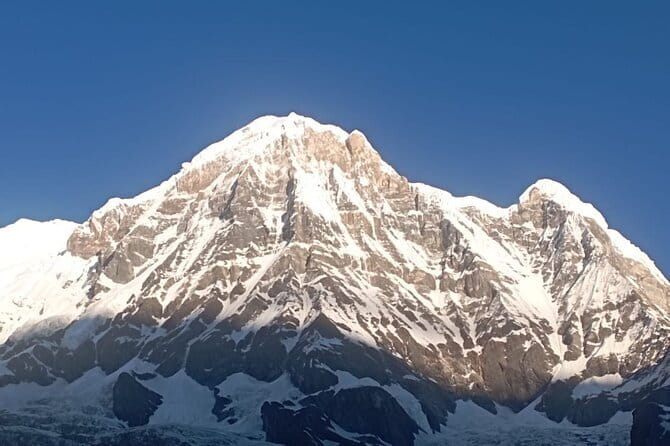
If you picture ABC as one grand “reach the base camp” adventure, you’re not wrong. The destination is serious—Annapurna Base Camp sits at high altitude, and this itinerary is built around an acclimatization-friendly progression rather than a sprint. The overview places the accomplishment around 4,130 meters, which is high enough that your pace, hydration, and attention to how you feel aren’t optional.
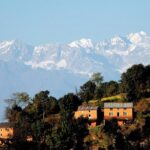
What I like here is the mix of effort and payoff. You’re not only marching toward a single point. You’re passing through different layers of the Annapurna region: terraced fields and village life, then forest paths, and later more alpine-style hiking. That variety helps the days feel less repetitive, and it gives you more chances to spot changes in terrain and weather conditions as you gain elevation.
The key consideration is simple: you still have to walk. This isn’t a “sit on a vehicle and see mountains” trip. You’ll need moderate fitness, a steady mindset, and the ability to slow down when altitude makes your body ask for it.
You can also read our reviews of more hiking tours in Kathmandu
Kathmandu and Pokhara transfers: you start moving early, then keep it simple
This program is set up to reduce friction right away. You get airport and hotel pickup/drop by private car/van/bus, and you travel between Kathmandu and Pokhara by tourist bus. That matters because in Nepal, smooth early transfers can make the difference between feeling excited and feeling stressed.
A practical detail: the meeting point is at Everest Trekking Routes Pvt. Ltd. in Kathmandu, and the start time is 1:15 am. That’s not a typo-level detail; it affects your schedule. Plan for the morning fatigue. If you’re traveling from far away, take the first travel day in Kathmandu seriously, and don’t pack your evenings too tightly the day before pickup.
Also, you’re not stuck in a complicated maze of separate tickets and vendors. The tour includes a mobile ticket, and your core trip framework is handled as one package rather than five different bookings.
Kathmandu day: Pasupatinath Temple as your cultural kickoff
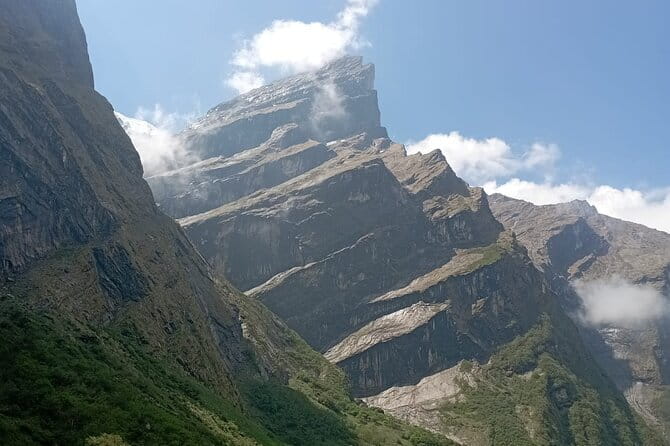
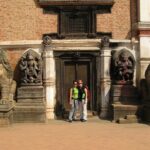
Day 1 includes a visit to Pashupatinath Temple, described as one of the biggest and most beautiful temples in Kathmandu. It’s a strong opener because it sets the tone: this trek isn’t only about mountains; it’s about living culture you can actually witness.
You’ll likely appreciate this stop more if you enjoy observation—how people move through sacred spaces, how religious practice is woven into everyday life, and how Kathmandu can feel both historic and active at the same time. Even if you’re not a temple person, it’s a major landmark that gives you a sense of Nepal beyond the hiking brochures.
Pokhara lake time: a calmer pause before the trails
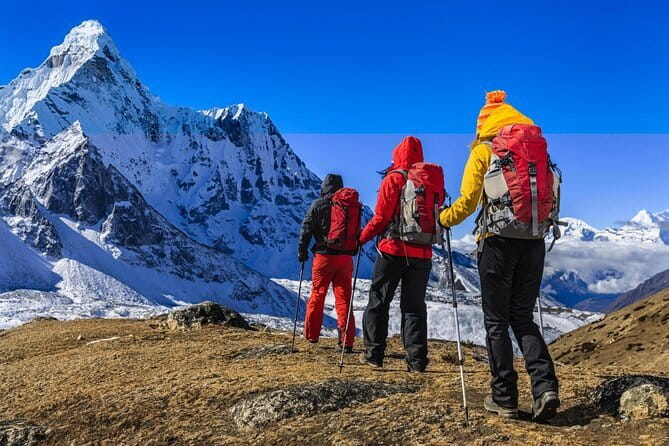
Day 2 includes Pokhara Lake, called out as a top tourist attraction in the area. I like the idea of adding a slower, scenic break here because it helps you reset before the trek starts in earnest.
Pokhara also acts like a transition zone. You go from Kathmandu’s dense city energy into a region that feels more directly connected to the outdoors. The two-night hotel stay in Pokhara (with breakfast included) gives you time to settle in, organize essentials, and figure out what your body feels like before day-by-day walking begins.
Birethanti: entering the Annapurna Conservation Area
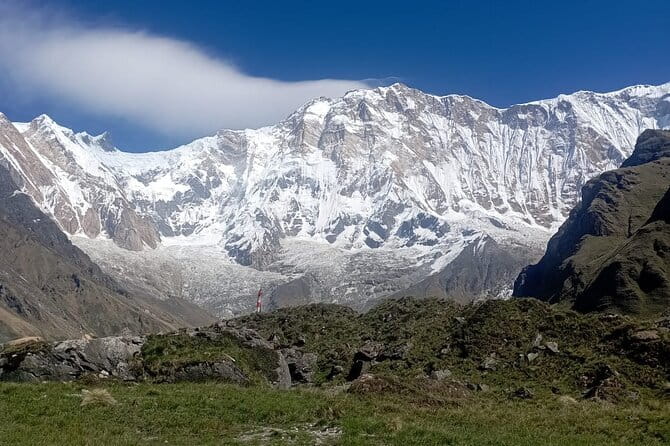
On Day 3 you reach Birethanti, and this is your entry into the Annapurna Conservation Area. The big advantage of this kind of stop is not just the location—it’s the fact that the trek is tied to a conservation-managed route.
From your point of view, conservation-area access also connects to why permits matter. In this package, trekking permits are included through TIMS and ACAP, so you don’t have to wrestle with paperwork while your trekking countdown is already running.
This day is also a nice mental shift. You’re no longer in “arrival travel mode.” You’re in trek mode: check your gear, keep your water plan clear, and let the scenery and village rhythm do the work of building anticipation.
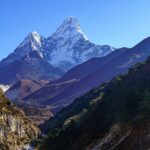
Poon Hill and Ghorepani: the classic viewpoint route
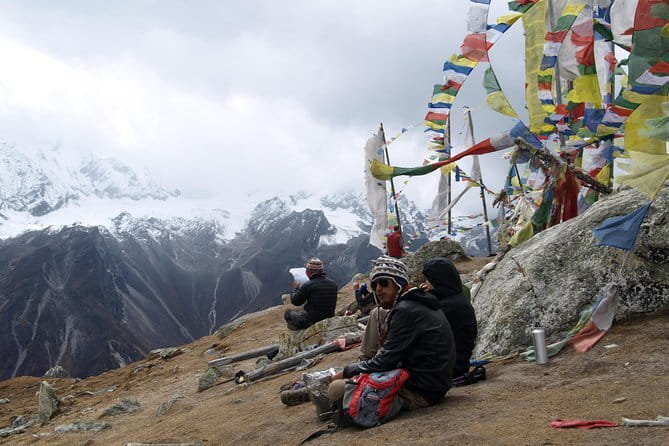
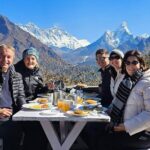
Day 4 includes Ghorepani and Poon Hill, described as a very famous short hiking and viewpoint route in the Annapurna region. Poon Hill is popular for a reason: it gives you a strong view payoff without requiring you to commit to the full day-long effort of the later stages.
This is a smart early choice for two reasons:
- It tests your trekking legs gently, so you learn how your breathing and pace feel at elevation.
- It offers a “warm-up victory” before the bigger push toward base camp.
Then you move into the more sustained walking days. Day 5 is a five-hour walk from Ghorepani to Tadapani, so you’re transitioning from short viewpoint effort to a longer trail day. If you’re someone who prefers steady rhythm over constant variation, you’ll probably like this structure.
Tadapani to Chhomrong and on to Bambook

Day 6 is described as a beautiful walk to Chhomrong. Chhomrong is one of those names trekkers learn early because it often marks a shift in how the trek feels—more seriousness, more elevation awareness, and usually more mountain-focused scenery.
Day 7 is a trek to Bambook, described as moderate walking. I appreciate that the itinerary doesn’t pretend every day is the same intensity. Moderate walking days are useful because they help you avoid the trap of going too hard too soon.
These middle days are also where tea-house treks become real. You’ll spend more time in villages and along trail paths where you can see how people live when tourism is seasonal but the mountains are constant. And because the package includes tea-house accommodation and your meals during the trek, you’re not reinventing the logistics each night.
The ABC days: reaching base camp and taking it in
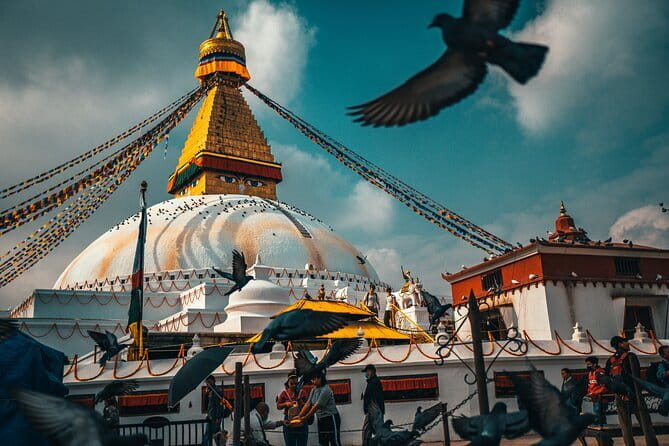
Day 8 includes the trek to Annapurna Base Camp. Day 9 is described as a hike tied directly to Annapurna Base Camp trekking, and Day 10 is another base-camp viewpoint emphasis.
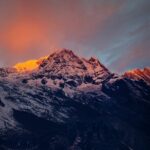
Here’s the honest takeaway: once you reach ABC, the trip stops being just about walking and turns into managing your altitude and your energy for the time you spend at the top. You’ll probably want to keep things simple: slow down, drink water, and let your body acclimate as much as possible.
These days also tend to be mentally intense. Even if you’ve seen photos, the real thing hits differently: the scale of the mountains, the way weather changes your visibility, and the fact that you’re standing in a place that hikers dream about long before they ever lace their boots.
The package is set up for this with tea-house lodging during the trekking portion and included meals (breakfast, lunch, dinner) with cup of tea or coffee. That coverage matters. When you’re at altitude, your decision fatigue should be low.
Tea-house lodging, included meals, and what that means for your day
This tour includes:
- All meals during the trek: breakfast, lunch, dinner, plus cup of tea or coffee
- Tea house accommodation during the trekking days
- Breakfast at hotels in Pokhara (2 nights) and Kathmandu (2 nights)
That’s a big deal for value because you’re not constantly deciding where to eat, which menu to pick, or how to budget each stop. Tea houses also usually mean you’re eating something consistent and practical after a long walking day.
What’s not included is also important. You won’t have all drinks covered (hot and cold drinks aren’t listed as included), and Wi‑Fi on the trekking isn’t included. Personal expenses are also on you, and tipping isn’t included.
If you want the trek to feel easy, plan around that: bring water plans and snacks you trust, assume you’ll pay for extra drinks, and keep your Wi‑Fi expectations low.
Guides and porters: why the names matter
A recurring theme in the feedback is the human side of the trek—how guides communicate, how porters keep things moving, and how the company stays responsive.
Specific names that come up:
- Guides: Cecil and Sushil Gurung
- Organizing support: Rabin
- Porters: Samu Gurung, Sujan Gurung, and Bishal
Even without getting overly sentimental, these names are practical indicators. A good guide does more than point at trails. They manage pacing, help with day planning, and usually keep you calm when you feel tired or altitude makes everything slower. A good porter reduces your load and can make your walking feel safer and more comfortable.
Since the itinerary includes a licensed professional trekking guide and an expert local porter, you’re not left to guess how the trek should run.
Price and logistics: is $935 good value for ABC?
At $935 per person, this trek isn’t bargain-basement pricing, but it also isn’t just “a bed and a map.” Your included costs are the heavy hitters:
- Transfers: airport/hotel pickup and drop by private vehicle
- Kathmandu ⇄ Pokhara: bus transport
- Hotels: 2 nights in Pokhara and 2 nights in Kathmandu (Kathmandu Suite Home) with breakfast
- Trek basics: all meals during the trek and tea-house accommodation
- Permits: TIMS + ACAP
- Local team: licensed trekking guide and local porter
- Government taxes and fees
In other words, much of what usually becomes hidden add-on cost is already covered. Where you should watch your budget is in the listed exclusions: extra accommodation or meals in Kathmandu beyond what’s included, additional drinks, solo/extra porter situations for single trekkers, personal spending, and tipping. Also, travel and evacuation insurance are not included.
If you want value, this package is closest to a “pay once and focus on walking” style—assuming you also plan for the items that are explicitly not covered.
Who should book this ABC trek, and who might hesitate
This trek is set for moderate physical fitness and includes trekking days that range from shorter viewpoint-style efforts to longer walking stretches (for example, the 5-hour walk from Ghorepani to Tadapani and the moderate walking day to Bambook).
You’ll likely love it if:
- You want a structured plan that covers permits, meals, and lodging basics
- You like the mix of city culture and mountain hiking
- You prefer a private group setup so your pacing and needs are easier to manage
You might think twice if:
- You dislike early starts (pickup/start time is listed as 1:15 am)
- You’re extremely sensitive to altitude and want a gentler elevation approach (the program does build in pacing, but it still targets high elevation)
- You plan to rely on Wi‑Fi while hiking (it isn’t included)
Should you book Everest Trekking Routes for Annapurna Base Camp?
If your goal is an organized, professionally guided Annapurna Base Camp Trek with permits and day-to-day meal and lodging coverage, this one looks like a solid match. The names that show up—Cecil, Sushil Gurung, Rabin—and the porter support (Samu Gurung, Sujan Gurung, Bishal) point to a team that cares about running the trek smoothly, not just selling the idea.
My practical “yes, but” checklist is simple:
- Book with a realistic view of daily walking and altitude pacing.
- Budget for extra drinks, personal spending, and tipping.
- Make sure you have travel and evacuation insurance separately.
- If you’re traveling solo, double-check how porter arrangements are handled for single trekkers.
FAQ
What is the duration of the Annapurna Base Camp Trek?
The duration is listed as 12 days approximately.
Where does the trek start and where does it end?
It starts at the meeting point in Kathmandu at Everest Trekking Routes Pvt. Ltd. and ends back at the same meeting point.
What is the price per person?
The price is $935.00 per person.
What permits are included for the trek?
Trekking permits included are TIMS and ACAP.
Are meals included during the trek?
Yes. Breakfast, lunch, and dinner are included during the trek, and each meal includes a cup of tea or coffee.
What kind of accommodation is included?
You get hotel stays (2 nights in Pokhara and 2 nights in Kathmandu) and tea house accommodation during the trekking portion.
How do you travel between Kathmandu and Pokhara?
Kathmandu to Pokhara and return to Kathmandu are included by tourist bus.
Is Wi‑Fi included on the trekking days?
No. Wi‑Fi on the trekking is listed as not included.
Is travel insurance or evacuation insurance included?
No. Travel insurance and evacuation insurance are not included.
Is tipping included?
No. Tipping for the guide and porter is not included.
Is cancellation free?
Free cancellation is offered, with a full refund if you cancel at least 24 hours before the experience’s start time.